In continuation of my previous post which speaks of the Guatemalan right wing's feedback to Rios-Montt trial. The main idea of Guatemalan right is to reject the term of "genocide" and replace it with the term "internal armed conflict" for the purposes of, as I see it, 1) changing the penalty for Rios Montt and his men for lighter term, and 2) presenting Guatemala in a more favourable light before the U.S. (or international community), because "genocide" sounds bad, but "internal conflict" is much more acceptable.
But going back to Guatemala's history provides enough information to prove that genocide took place. For example, we may look through the general timeline of events, and choose details of Victoria 82 and Sofia military operations which were run based on "frijoles and fusiles" policy, where civilians didn't receive any "frijol" as promised by military rhetorics, but just "fusiles".
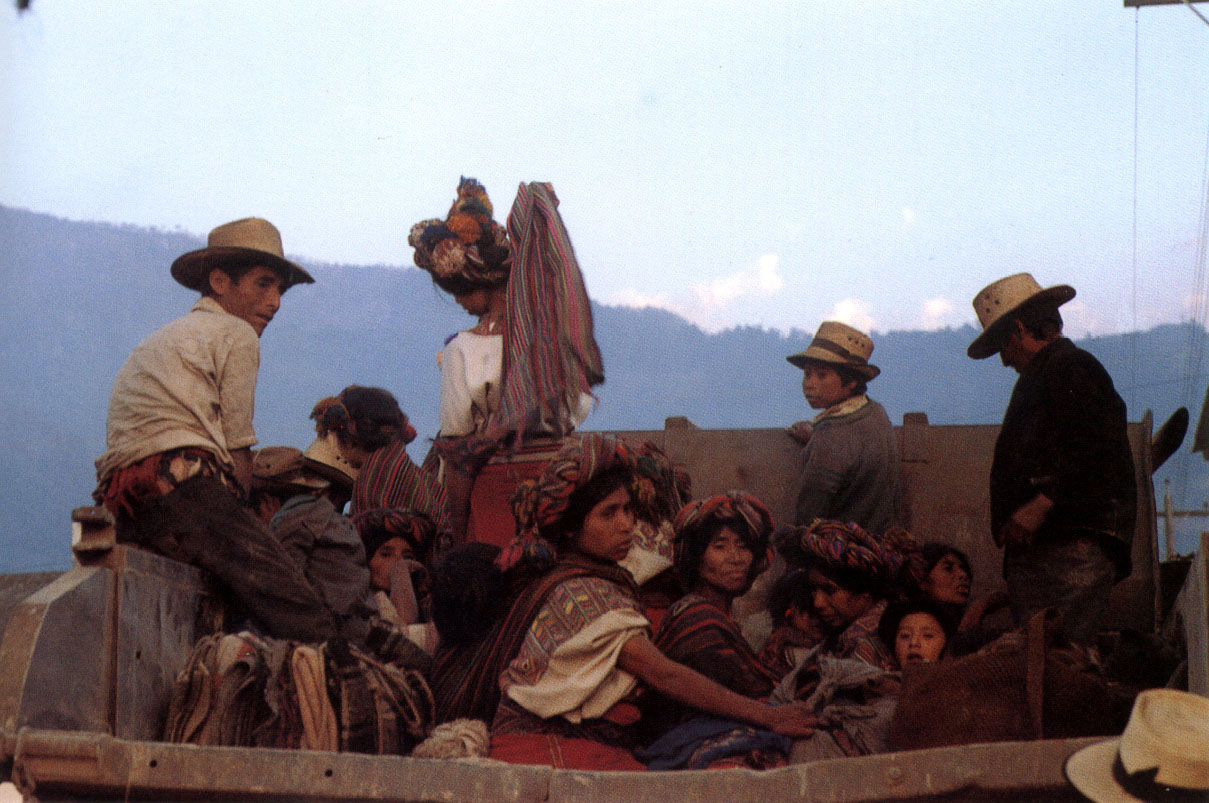
Indigenous people being misplaced by the army.
Translate
Showing posts with label Guatemala. Show all posts
6 Jun 2013
3 Jun 2013
¿Hubo genocidio?
Estoy leyendo la prensa guatemalteca e internacional
sobre el juicio contra Rios-Monnt. Lo
primero que me dió sorpresa fue la polarización entre guatemaltecos iniciada por
el presidente del pais y su slogan popular
que “No hubo genocidio”. Vista por fuera,
toda esa discusión o mejor decir, la
campaña mediatica se revuelve alrededor del termino “genocidio” construido por
expertas de ONU, segun dice Sr Presidente y sus seguidores, tales como historiador
Carlos Sabino de la UFM (de quien jamas
sabiamos aqui en Rusia, pero lo conocimos através de una persona yacuto-rusa que lo anunció
por medio de LiveJournal como “su amigo personal”).
Sin embargo, creemos que a esta discusion sobre los terminos juridicos, la desconocen miles de indigenas ya muertos o los que han sobrevivido matanzas y reclutamientos forzados a los PAC, igual que las muertes de sus familiares, violaciones y perdidas de su identidad cultural.
El artìculo en The Wall Street Journal identificó el
juicio contra Rios Montt como “absurdo”, porque, escribe,
“ In the trial, the prosecution presented the testimony of numerous Indians who had been victims of the violence. But their stories could not prove genocide. (sic!)
Neither did the prosecution's "experts," mostly foreigners of the leftist persuasion who were not actually witnesses to any alleged acts of genocide. They were used to advance the prosecution's case that the army strategy "to exterminate" subversives was the same thing as an attempt to "exterminate" the Ixil people.
2 May 2012
La controversia sobre el testimonio de Rigoberta Mench'u
Una copia del texto por Shannon Will acerca la controversia del testimonio de Ribogerta Menchu
Introduccion en ruso sobre el contexto politico de este tema:
"Противоречие" в свидетельствах Ригоберты Менчу о геноциде народа майя - любимейший козырь антикоммунистов, расистов и неолиберальных политологов (или псевдополитологов), которые (включая текст Википедии по этому вопросу) считают, что нобелевский лауреат мира индеанка-киче Ригоберта Менчу якобы наговорила немало лжи по поводу геноцида индейцев майя в Гватемале.
Shannon Will (Spanish 4240)
En definir qué es el testimonio y la importancia de ello en la sociedad actual, John Beverly lo explica muy bien en su artículo “Testimonio: The Politics of Truth”. Él define el testimonio como un “novel or novel-length narrative…told in the first person by a narrator who is also the real protagonist or witness of the event…and whose unit of narration is usually a life or significant life experience” (31). Es decir, es una historia de una persona dicha por sí misma, que cuenta de sus experiencias claves en su vida. La experiencia del protagonista en el testimonio suele tener el propósito de comunicar una problema social más grande del individuo, que llama la atención a un cierto estado de represión o sufrimiento de una gente. Proviene el testimonio de los años sesenta, cuando la inestabilidad civil crecía en proporciones inmensas. Los grandes movimientos de la época de la liberación en muchos países, y el radicalismo del día daban la luz a un nuevo estilo de escribir en la América Latina y Norteamérica. John Beverly lo llama la literatura de la resistencia, y la describe como un “direct-participant account, usually presented without any literary or academic aspirations, although often political ones” (32). El testimonio ha servido a la gente marginalizada de resistir su opresión y miseria y despertar en la sociedad su necesidad de liberación.
Una copia del texto por Shannon Will acerca la controversia del testimonio de Ribogerta Menchu
Introduccion en ruso sobre el contexto politico de este tema:
"Противоречие" в свидетельствах Ригоберты Менчу о геноциде народа майя - любимейший козырь антикоммунистов, расистов и неолиберальных политологов (или псевдополитологов), которые (включая текст Википедии по этому вопросу) считают, что нобелевский лауреат мира индеанка-киче Ригоберта Менчу якобы наговорила немало лжи по поводу геноцида индейцев майя в Гватемале.
Shannon Will (Spanish 4240)
En definir qué es el testimonio y la importancia de ello en la sociedad actual, John Beverly lo explica muy bien en su artículo “Testimonio: The Politics of Truth”. Él define el testimonio como un “novel or novel-length narrative…told in the first person by a narrator who is also the real protagonist or witness of the event…and whose unit of narration is usually a life or significant life experience” (31). Es decir, es una historia de una persona dicha por sí misma, que cuenta de sus experiencias claves en su vida. La experiencia del protagonista en el testimonio suele tener el propósito de comunicar una problema social más grande del individuo, que llama la atención a un cierto estado de represión o sufrimiento de una gente. Proviene el testimonio de los años sesenta, cuando la inestabilidad civil crecía en proporciones inmensas. Los grandes movimientos de la época de la liberación en muchos países, y el radicalismo del día daban la luz a un nuevo estilo de escribir en la América Latina y Norteamérica. John Beverly lo llama la literatura de la resistencia, y la describe como un “direct-participant account, usually presented without any literary or academic aspirations, although often political ones” (32). El testimonio ha servido a la gente marginalizada de resistir su opresión y miseria y despertar en la sociedad su necesidad de liberación.
3 Nov 2011
Francisco Marroquin University as a bastion of libertarianism
By Marla Dickerson
Los Angeles Times Staff Writer (link to the article)
June 6, 2008
Guatemala City
Leftist thinking left off the syllabus
Leftist ideology may be gaining ground in Latin America. But it will never set foot on the manicured lawns of Francisco Marroquin University.
Los Angeles Times Staff Writer (link to the article)
June 6, 2008
Guatemala City
Leftist thinking left off the syllabus
Leftist ideology may be gaining ground in Latin America. But it will never set foot on the manicured lawns of Francisco Marroquin University.
Subscribe to:
Posts (Atom)